How to apply for Section 8: a step-by-step walkthrough
The Section 8 application process is not complicated, but it is unforgiving of small mistakes. A missing document, an outdated phone number, or a checkbox left blank can push you to the back of a multi-year waitlist. This walkthrough is the version we wish someone had handed us before we filled out our first pre-application.
Step 1: Find your local Public Housing Agency
Section 8 is a federal program, but it is run by local PHAs — about 3,300 of them nationwide. There is no national Section 8 application. You apply directly to the PHAs that cover the area where you live or where you are willing to live. Use our state directory to find every PHA in your state, then narrow it down by city or county.
Important: many areas are covered by more than one PHA. A city might have its own housing authority while the surrounding county has another. Both run separate Section 8 waitlists. Apply to all of them.
Step 2: Check whether the waitlist is open
Before filling out anything, find out whether the PHA is currently accepting applications. Three possibilities:
- Open continuously: common at smaller and rural PHAs. You can apply any time.
- Open in defined windows: the PHA opens applications for a few days every one to three years. Outside that window, no applications are accepted.
- Closed indefinitely: the waitlist is too long. You can sign up to be notified when it reopens, but no new applications are taken until then.
Call the PHA, check its website, or ask whether they have a notification list for when applications open. Many PHAs announce openings only through a local newspaper, a Facebook page, or a single text message blast — you have to find their preferred channel.
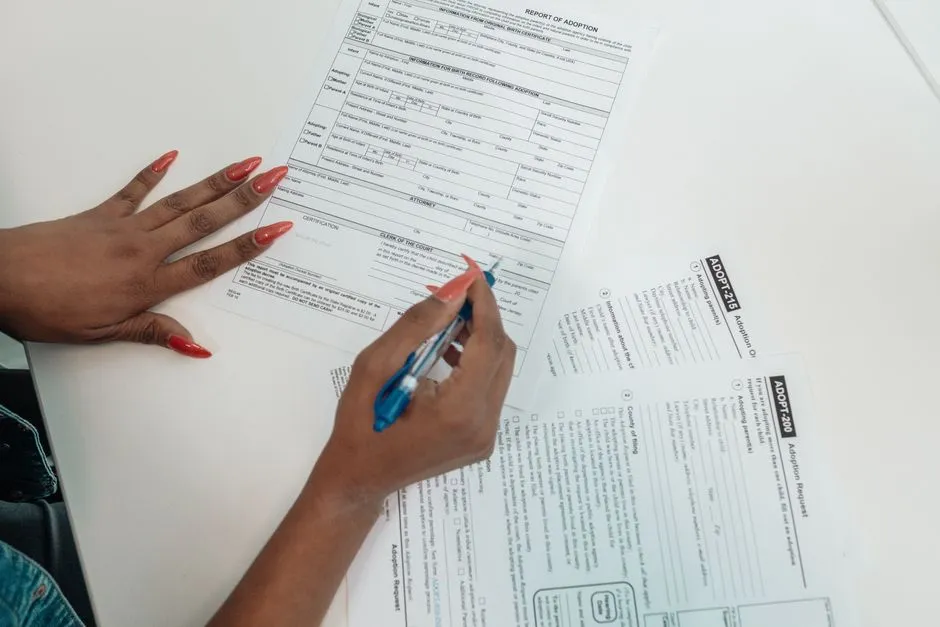
Step 3: Gather your documents
Pre-applications are usually short, but the eligibility interview later requires complete documentation. Save yourself a panicked weekend by gathering these now:
- Photo ID for every adult household member
- Social Security cards for every member, including children
- Birth certificates for every member
- Proof of income (last 60 days of pay stubs, benefit award letters, child support records, self-employment ledgers)
- Last two years of tax returns if self-employed
- Proof of any assets (bank statements, retirement accounts)
- Current lease and a recent utility bill (proves your address)
- Custody documents for any children not living with both biological parents
- If applicable: documentation of disability, veteran status, domestic violence shelter referral, or other preference
Step 4: Submit the pre-application
The pre-application is short — usually 10–15 minutes. It collects basic information: who is in your household, your income range, your address, and any preferences you might qualify for. Be accurate. The pre-application is what places you on the waitlist; the eligibility interview later is what verifies it.
Submit it through the PHA’s preferred channel. Most use an online portal these days. Some still take paper applications by mail or in person. Keep your confirmation number, your application date, and a screenshot of the submitted form.
Step 5: Stay reachable
Step 6: The eligibility interview
When you reach the top of the waitlist, the PHA invites you to a formal eligibility interview. This is where you bring all the documents you gathered in Step 3. The PHA verifies income, household composition, and citizenship; runs background checks; and confirms you are still interested. Some PHAs do this in person; others by phone or video.
This is also where any prior debt to a housing authority resurfaces. If you owe money from a previous voucher, the new PHA will ask you to pay or arrange a payment plan before issuing a voucher. Sort this out before the interview if you can.
Step 7: Voucher briefing
If you pass the eligibility interview, the PHA holds a voucher briefing, often as a group session. They explain the rules: how rent is calculated, the size of unit you qualify for, the local payment standards, what counts as a Housing Quality Standards violation, and how long you have to find a place (usually 60–120 days, with extensions possible). At the end of the briefing, you receive your voucher.
Step 8: Find a unit
This is often the hardest step. Many landlords still refuse vouchers, though a growing number of states and cities have source-of-income discrimination laws that prohibit this. Our guide on finding a voucher-friendly landlord covers proven tactics. Once you find a unit, the landlord submits paperwork to the PHA, the PHA inspects, and the lease begins.
What to do while you wait
Even with everything done right, the wait can be long. While you are on the list:
- Apply to additional PHAs in your region. Each waitlist is independent.
- Look at Project-Based Voucher waitlists at specific affordable buildings — they are managed separately and often shorter.
- Check whether your area participates in Mainstream Vouchers (for households with a non-elderly disabled member) or VASH (for veterans).
- Update your contact information promptly if anything changes.
Common reasons applications are denied
- Income above the limit at the time of the eligibility interview.
- Outstanding balance owed to a previous PHA.
- Lifetime sex offender registration.
- Recent drug-related conviction on federally assisted property.
- Failure to respond to the PHA’s invitation to interview.
- Misrepresentation of household composition or income.
If you are denied, most PHAs allow you to request an informal hearing within 14 days. Bring documentation, stay calm, and ask the hearing officer to explain the specific regulation cited. Many denials are overturned at this stage.
My biggest mistake the first time around was applying to only one PHA. Once I applied to four nearby agencies, I got a callback within a year.— Tasha M., Detroit, MI